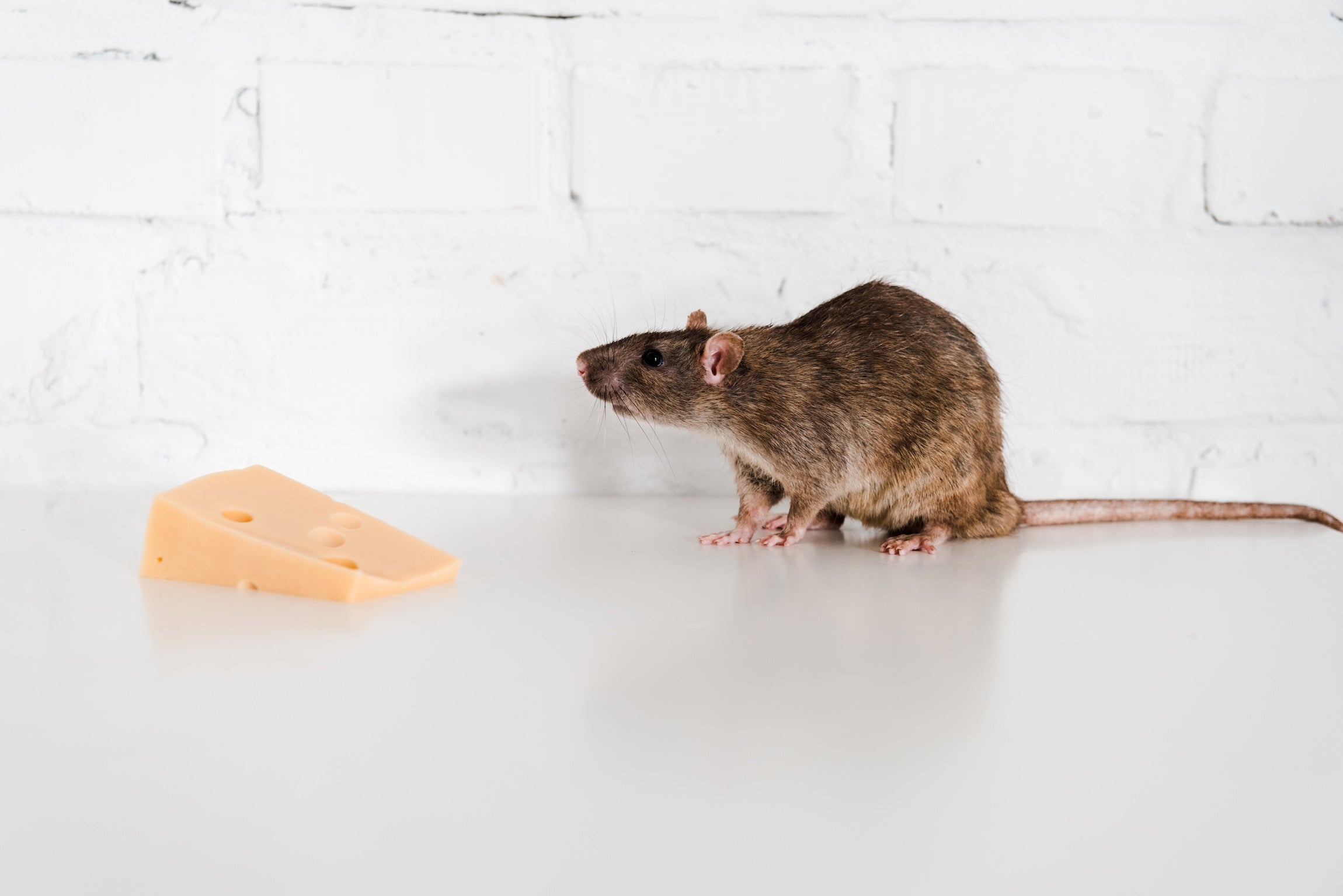
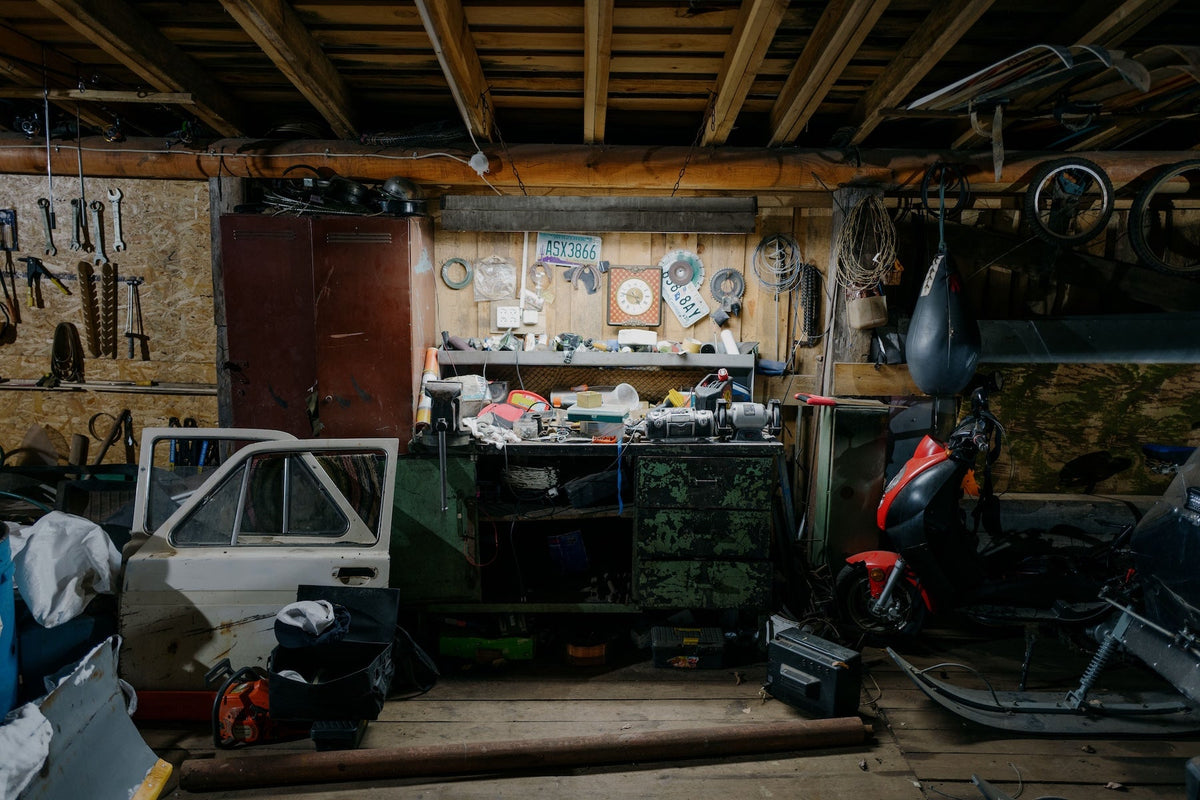
The garage, basement and storage room are among the most common places to first spot rats. These spaces are dark, undisturbed and often full of hiding places – and if they connect to the home, the rats can take the next step inside the house. If you see gnaw marks on boxes, droppings along the walls or hear scratching at night, it's time to act. Here we go through why rats thrive in these spaces and how to protect them.
Quick answer: Rats are drawn to the garage, basement and storage room for warmth, shelter and food. They are revealed by dark droppings (1–2 cm), gnaw marks on boxes and cables and scratching sounds at night. Remove anything edible, keep things tidy so hiding places disappear, seal gaps with steel and sheet metal and add preventive protection.
Why do rats thrive in the garage, basement and storage room?
These spaces offer everything a rat seeks. They are warm compared to outdoors, dark and rarely disturbed, and they often contain food in the form of pet food, bird seed, rubbish or fruit. Boxes, stacked material and insulation provide perfect hiding places and nesting material. In the garage, the warmth from a recently driven car is also a draw, and doors left ajar act as open entry points. And if the space connects to the house via a door or pipe penetration, it becomes a stepping stone further into the home.
Signs of rats in the space
Rats are nocturnal and shy, so look for the traces rather than the animals. Most common are dark, spindle-shaped droppings (1–2 cm) along walls and in corners, gnaw marks on boxes, wood, cables and plastic packaging, and grease marks along the walls where the rats move. You may also hear scratching and gnawing sounds at night. Go through all the signs of rats to confirm it's rats.
The risks – from cable damage to a way into the house
Rats in these spaces are a problem in several ways. They gnaw on cables and insulation, which increases the fire risk, and in the garage they can damage the car's wiring and hoses in the engine bay. They contaminate stored food and material with droppings and urine. Above all, an infestation in the garage or basement is often just one step from the rats getting into the home itself via pipe penetrations and door gaps.
How to protect the garage, basement and storage room – step by step
Do this:
- 1. Remove the food. Store pet food and bird seed in sealed metal or hard-plastic containers, and never leave rubbish or food scraps out.
- 2. Clear out and keep tidy. Reduce the number of hiding places – store things in sealed boxes on shelves rather than in piles on the floor.
- 3. Seal the entry points. Check doors, thresholds, vents and pipe penetrations. Seal gaps with steel wool and sheet metal – rats gnaw through wood and foam, but not metal.
- 4. Set traps. Place snap traps along the walls where the rats move, with the bait end towards the wall.
- 5. Add preventive protection. An electronic rat repeller is especially well suited to enclosed spaces like garages, basements and storage rooms, where ultrasound and bioacoustic signals make the environment unwelcoming – without poison or traps. Natural scents can also complement; see scents that keep rats away.
What to do now
Start by mapping the traces and sealing the routes the rats use. Remove all food and clear away hiding places, set traps along the runways and add preventive protection in the enclosed space. If you want to understand the whole picture around rodents in the home, read the guide to rats in the house.
\nFrequently asked questions
Why are rats drawn to the garage?
The garage offers warmth, shelter and often food in the form of pet food, bird seed or rubbish. On top of that, doors are often left ajar, and there are plenty of hiding places among boxes and material.
Can rats damage the car?
Yes. Rats readily gnaw on cables, hoses and insulation in the engine bay, which can cause expensive damage. A garage with rats is therefore a risk to the vehicle too.
How do I keep rats out of the storage room?
Store nothing edible there, keep it tidy so there are no hiding places, seal gaps with steel wool and sheet metal, and add preventive protection such as an electronic rat repeller in the enclosed space.