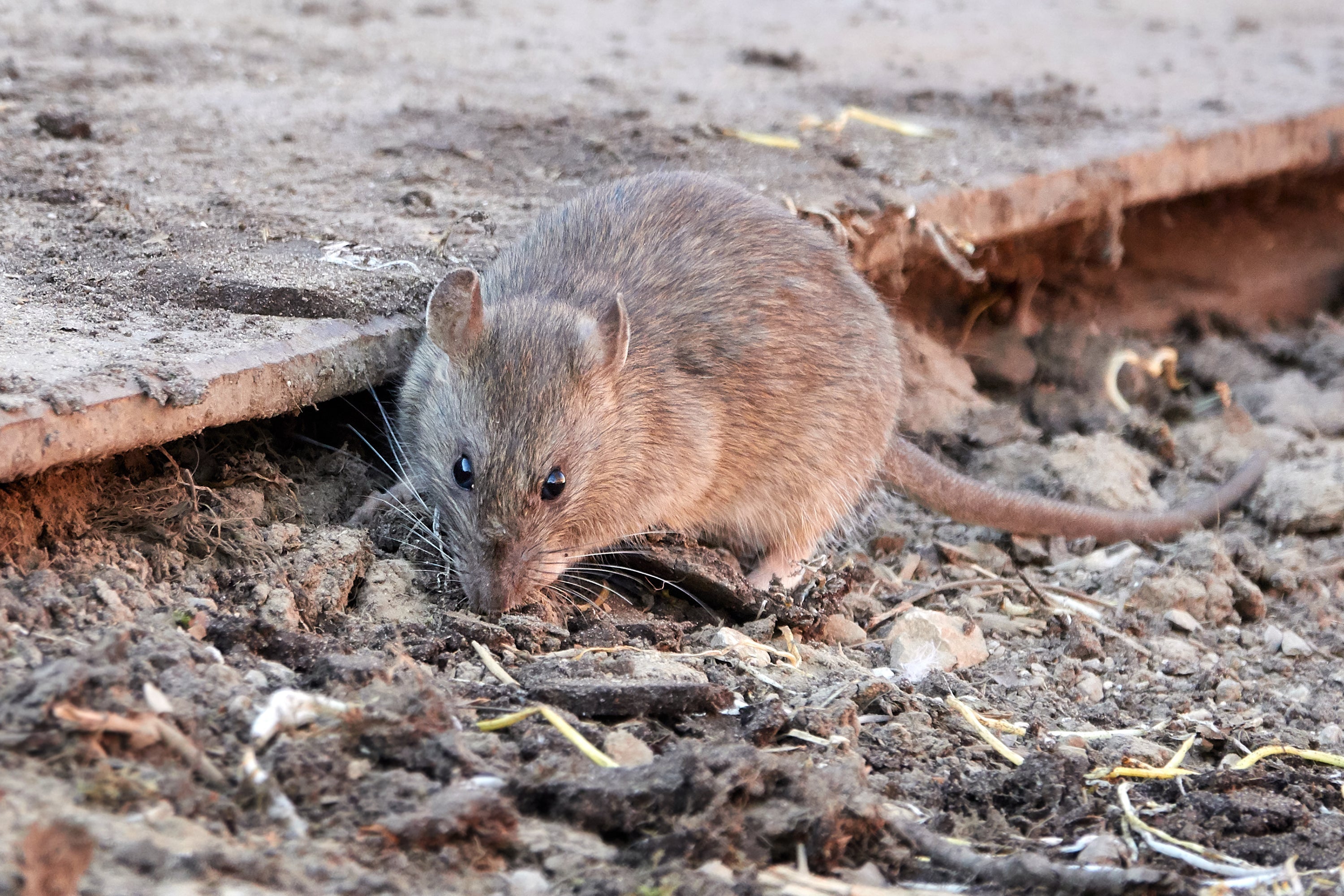

Every autumn the same signs return in homes across the country: scratching in the walls at night, gnaw marks in the pantry and small dark grains behind the cooker. As the temperature drops, mice move indoors – and autumn is by far the most common time for mouse infestations. The good news is that you can stop them, if you act before they settle in.
Quick answer: Mice move indoors in autumn when the temperature drops and they look for warmth, food and shelter for the winter. They get in through gaps as small as 6 mm at the foundation, vents and pipe penetrations. Seal the entry points before September and remove access to food outdoors, and you'll stop them before they settle in.
Why do mice come indoors specifically in autumn?
Mice come indoors in autumn because they are looking for three things that become harder to find outside once the cold sets in: warmth, food and shelter. In summer mice do fine outdoors, but when nights turn cold and the harvest is in, both food and warm hiding places dwindle. Your heated house then becomes the most attractive place in the area.
Mice do not hibernate – they are active all winter and need a safe, warm place to overwinter, ideally close to a steady food source. A house with heat leaks, accessible entry points and food within reach meets all three needs at once.
When is the risk highest?
The risk is highest from late August to November, with a clear peak in October. During these months mice actively look for winter quarters just as nature's larder empties. Activity rises noticeably as soon as night-time temperatures drop below ten degrees.
That means the best time to prevent them is late summer – in August, before the mice start moving in. If you wait until you hear the first sounds in the wall, the infestation has often already begun.
The most common ways into the house
Mice get in through surprisingly small openings – a gap of 6 millimetres, about the thickness of a pencil, is enough. The most common entry points in autumn are:
- Cracks and gaps in the foundation and base wall near ground level
- Loose pipe penetrations for water, drains and electricity
- Vents and air intakes without mesh, and broken ventilation grilles
- Gaps around doors and basement windows that don't seal tightly
- Gaps behind façade cladding and at the eaves – mice are good climbers
Bushes and woodpiles against the wall provide both shelter and a way in. If you already hear sounds inside the walls, read how to deal with mice in the walls.
How to prevent mice in autumn – step by step
The most effective protection is to make the house inaccessible and the plot unappealing before the mice move in. Do this:
- 1. Seal the entry points. Walk around the house in August and seal gaps at the foundation, pipes and vents with steel wool and sealant – mice gnaw through foam and wood, but not steel.
- 2. Remove access to food. Store dry goods and pet food in sealed containers, pick up fallen fruit and bring in bird feeders temporarily.
- 3. Clear along the house wall. Cut back bushes by the façade, move the woodpile at least half a metre from the wall and keep the area under decking clean.
- 4. Check regularly. Inspect the foundation, basement and attic through the autumn so you spot early signs right away.
- 5. Add preventive protection. An electronic mouse repeller uses ultrasound and bioacoustic signals to make the environment unwelcoming to mice, without poison or traps. It suits a poison-free, preventive role in spaces like storage rooms, garages and crawl spaces – not as an emergency fix for a large infestation.
Signs the mice are already inside
If prevention comes too late, mice give themselves away through clear traces: scratching in walls and ceilings at night, dark droppings of 3–6 mm along walls, gnaw marks on packaging and a sharp smell of urine. The sooner you spot them, the easier it is to break the infestation. Go through all the signs of mice, then read how to effectively get rid of mice.
What to do now
Is it still late summer or early autumn? Take the chance to seal the entry points and clear the plot now – prevention is cheaper and easier than control. If you already hear sounds in the walls, act quickly with sealing and traps along the mice's runways. With the right measures at the right time, you keep the house mouse-free all winter.
\nFrequently asked questions
How cold does it have to get before mice move indoors?
There is no exact threshold, but mice start actively seeking shelter indoors when nights turn cold and outdoor food dwindles – often as early as September, when night-time temperatures drop below ten degrees.
Which month has the highest risk of mice?
The risk is highest from late August to November, peaking in October. That's when mice seek winter quarters just as the harvest is in and outdoor food runs out.
Can mice get in even if the house is newly built?
Yes. Mice only need a 6 mm gap. Even new houses have pipe penetrations, vents and gaps that can act as entry points if they aren't properly sealed.