It often starts with a sound. You are lying in bed and hear scratching, gnawing or small scurrying steps above the ceiling. Rats in the attic are a common problem in houses, especially in autumn and winter when rodents move indoors for warmth and food. The good news is that you can do a lot yourself – if you act early and know what to look for.
Quick answer: Rats in the attic are usually heard at night as scratching, gnawing and dragging sounds along the roof beams. They are given away by dark droppings (1–2 cm), fresh gnaw marks and a sharp smell of urine. Act early: seal the entry points and set traps along the runways.
In this guide we go through how to recognise rats in the attic, how they get up there and which measures actually work to get rid of them.
Is it rats in the attic – or something else?
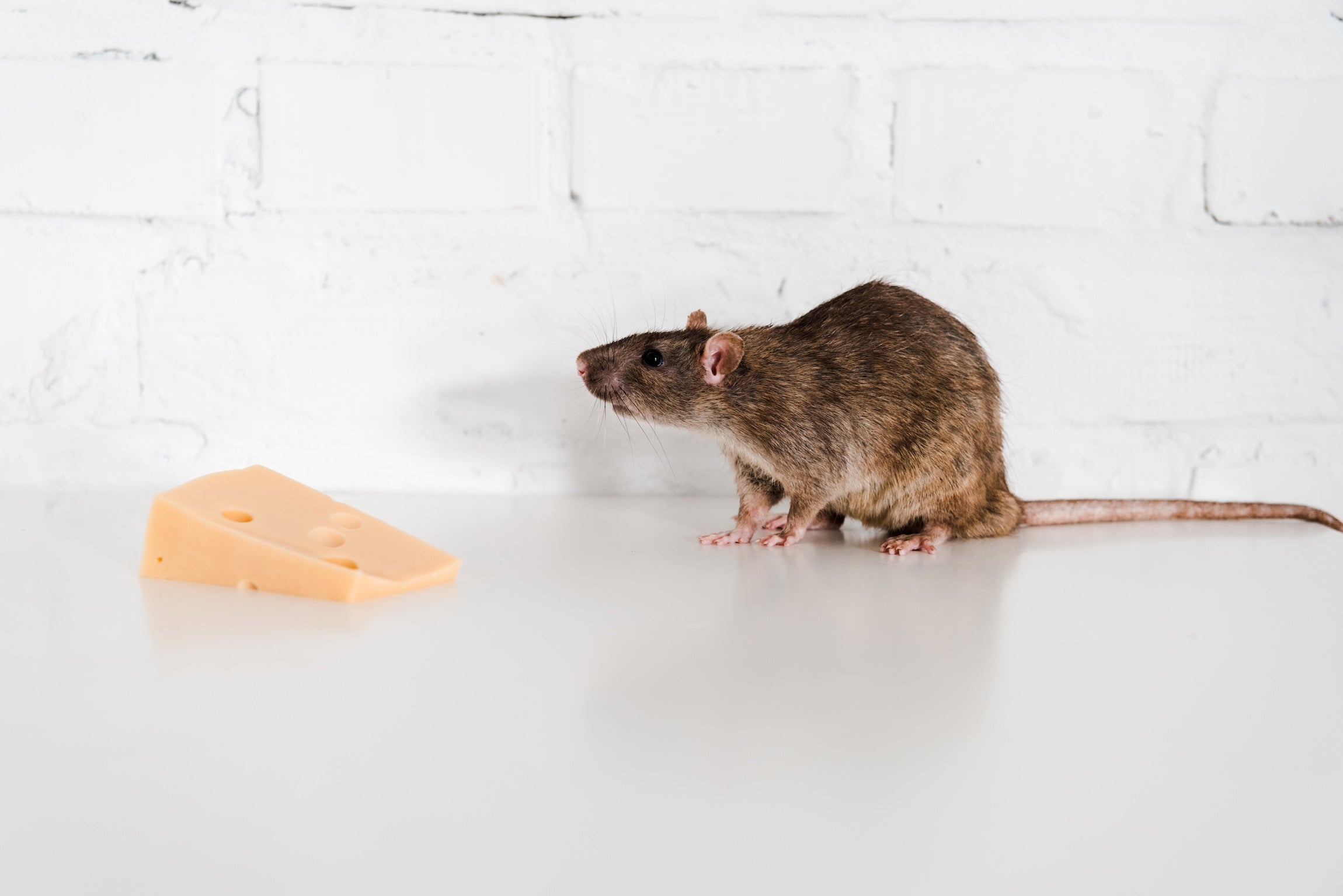
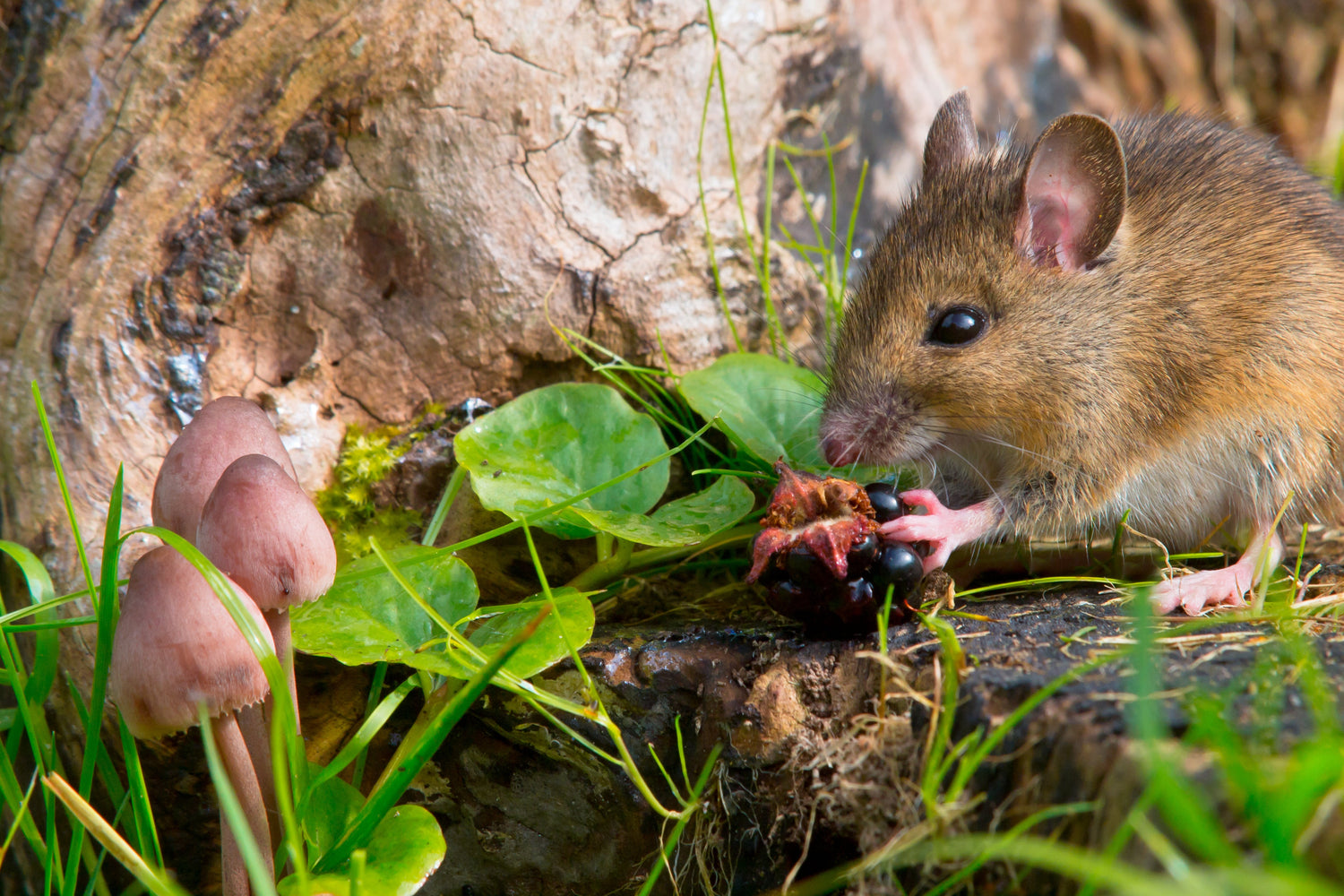
Sounds from the roof don't necessarily mean rats. Mice, martens, squirrels and birds can sound surprisingly similar. Rats usually make heavier and more irregular sounds than mice, and they are most active at night. If you hear fast, light pattering it is more often mice, whereas heavier gnawing and dragging sounds point to rats.
If you are unsure what you are dealing with, it can be worth reading more about how to tell rats from mice, since the measures differ slightly.
Signs of rats in the attic
Besides the sound, there are several traces that reveal rats. Look for these:
- Droppings: rat droppings are dark, about 1–2 cm long and spindle-shaped. They often gather along walls and near insulation.
- Gnaw marks: rats gnaw on wood, cables and pipes. Fresh marks are pale and sharp along the edge.
- Grease marks: along beams and edges you may see dark, greasy streaks where the rats move over and over again.
- Smell: a sharp, ammonia-like smell of urine becomes clearer the larger the infestation is.
- Nests: rats build nests from insulation, paper and fabric scraps in sheltered corners.
If you want to be completely sure, you can go through all the signs of rats in more detail, so you don't confuse them with other pests.
How rats get up into the attic
Rats are skilled climbers and can make their way up along rough façades, downpipes, cables and nearby trees. Once up by the roof, a gap of just a single centimetre is enough for them to squeeze in. Common entry points are untight eaves, vents without mesh, gaps by the chimney and damage in the bargeboards.
Since rats seek warmth, they are drawn to attics where warm air leaks up from inside the house. Trees and bushes growing close to the façade act as ladders straight up to the roof.
Why you should act quickly
A rat in the attic is not just annoying – it can cause real damage. Rats readily gnaw on electrical cables, which in the worst case increases the risk of fire. They also destroy insulation and can carry disease. The longer you wait, the greater the risk that a couple of rats become an entire colony.
The link between rodents and electrical faults is worth taking seriously – read more about how rats and fire risk are connected.
How to get rid of rats in the attic
Do this, step by step:
1. Seal the entry points. Walk around the house and look for gaps at the eaves, vents and pipes. Seal with metal mesh or sheet metal – rats gnaw through foam and wood, but not metal.
2. Remove food sources. Store bird seed, animal feed and rubbish in tightly sealed containers. Pick up fallen fruit and keep the area around the house clean.
3. Set traps. Mechanical snap traps placed along the rats' runways are effective against individual animals. Avoid poison if possible, as it is dangerous to other animals and can cause the rat to die in a hard-to-reach place.
4. Use deterrent scents. Certain scents can complement the other measures. Here you'll find natural scents that keep rats away.
5. Get help for large infestations. If the infestation is already extensive, you should contact a professional pest controller for treatment.
For more long-term, poison-free protection, an electronic rat repeller can be a good preventive complement. Repello's solution uses ultrasound and bioacoustic signals to make the environment unwelcoming to rats, without poison or chemicals. Keep in mind that it is a preventive measure rather than an emergency fix for a large, established infestation.
Prevent the rats from coming back
Once you have got rid of the rats, the key is to keep them away. Prune trees and bushes so they don't reach the roof, keep the gutters clean, and check the seals before every autumn. An attic that is dry, cool and free of food sources is considerably less attractive to rodents. If you want to understand the whole picture around rodents in the home, you can read our overall guide to rats in the house.
What you can do now
If you hear sounds from the roof – start by mapping the traces and determine whether it really is rats. Then seal the entry points, remove anything that attracts them, and set traps along the runways. If you act early you avoid both damage and a growing infestation. And with the right preventive measures you keep the attic rat-free season after season.
Frequently asked questions
Could it be mice instead of rats in the attic?
Yes, they are easy to mix up. Mice usually make lighter, faster pattering sounds while rats sound heavier and gnaw more forcefully. The size of the droppings also reveals the difference – rat droppings are 1–2 cm, mouse droppings only a few millimetres.
What do rats in the attic sound like?
Rats are heard mostly at night and make scratching, gnawing and dragging sounds as they move along beams and insulation. The sound is irregular and clearly heavier than the light pattering that mice make.
Are rats in the attic dangerous?
Rats can gnaw on electrical cables and thereby increase the fire risk, destroy insulation and spread disease. That's why you should act as soon as you spot signs, before a couple of rats become an entire colony.