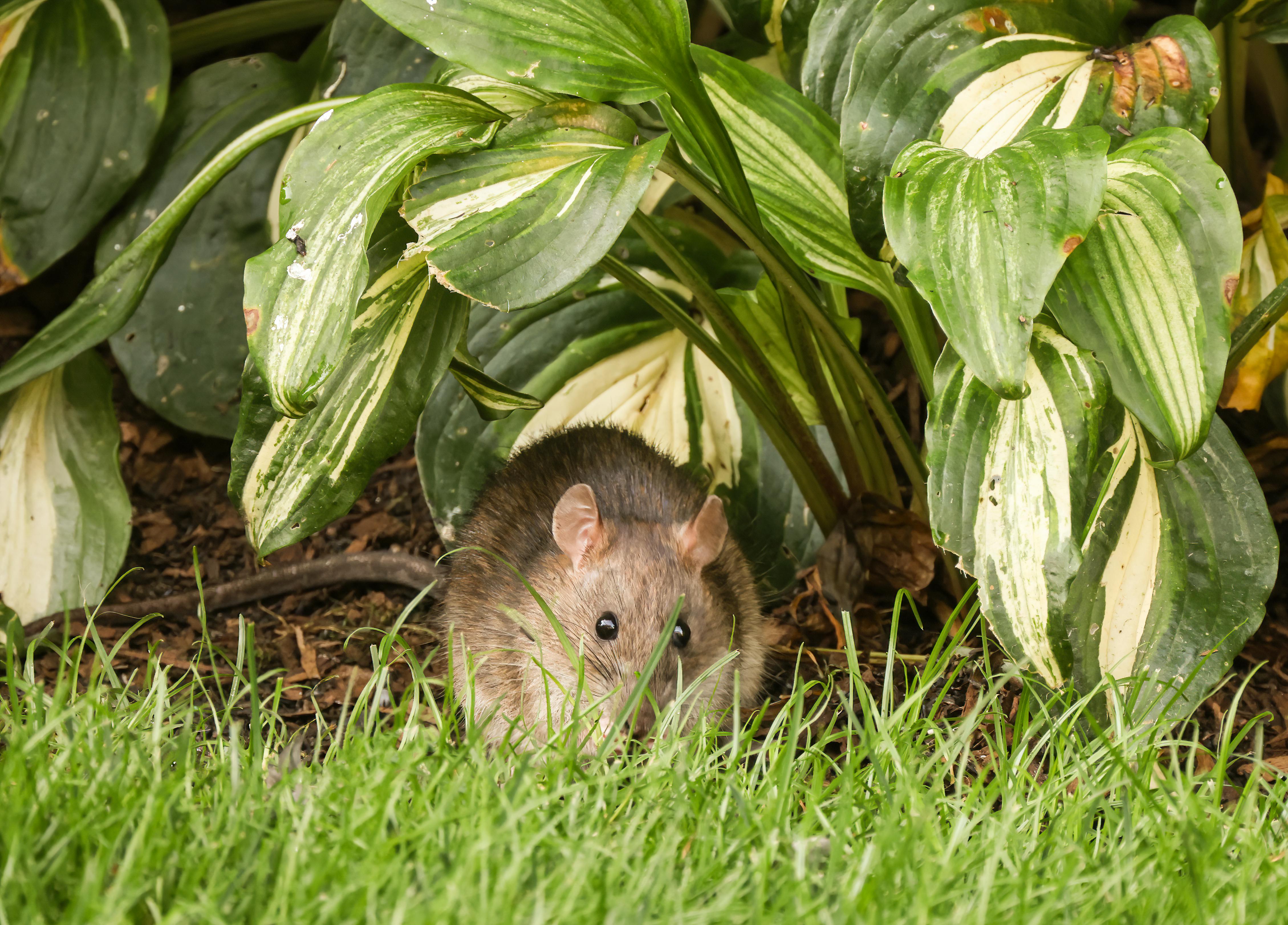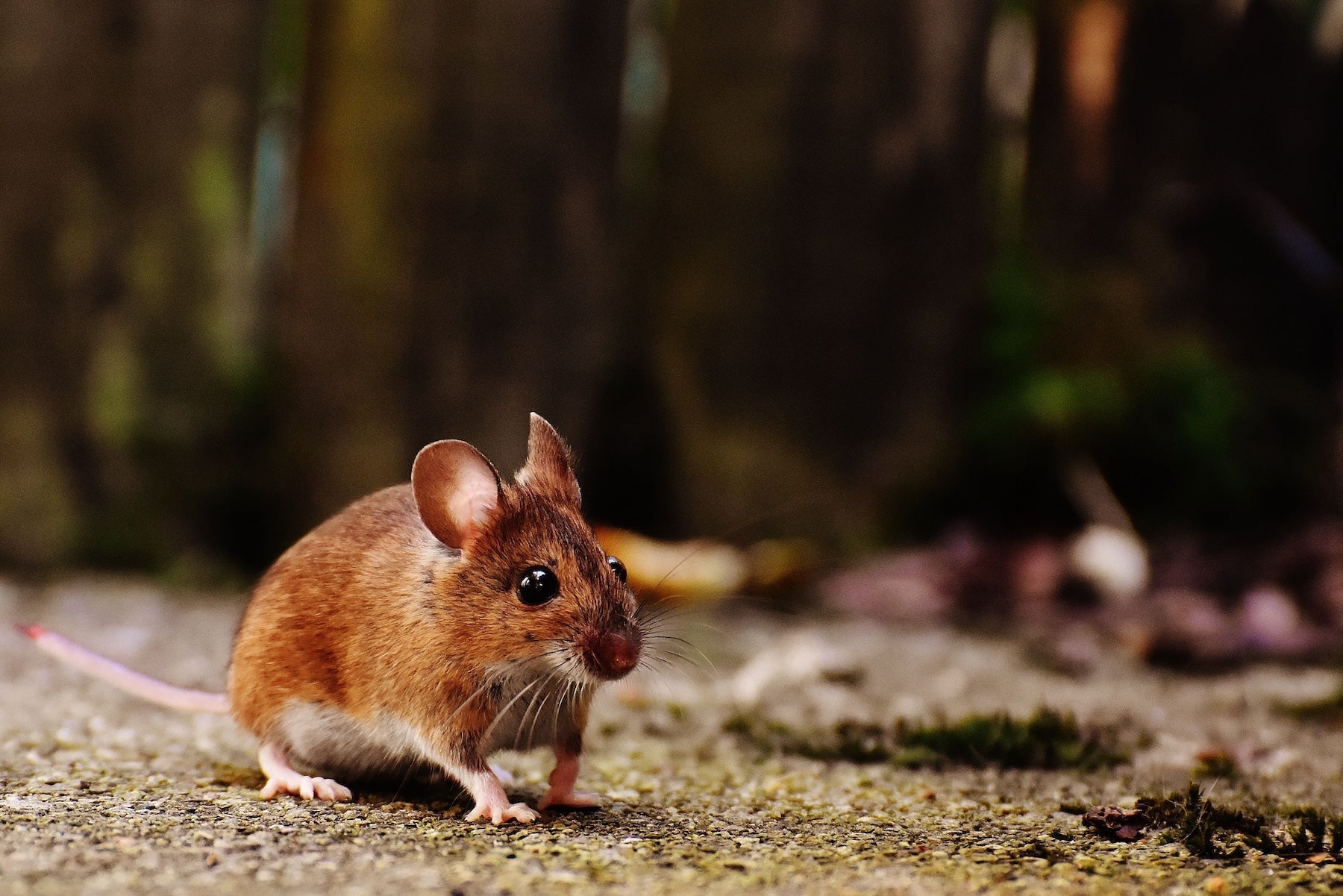
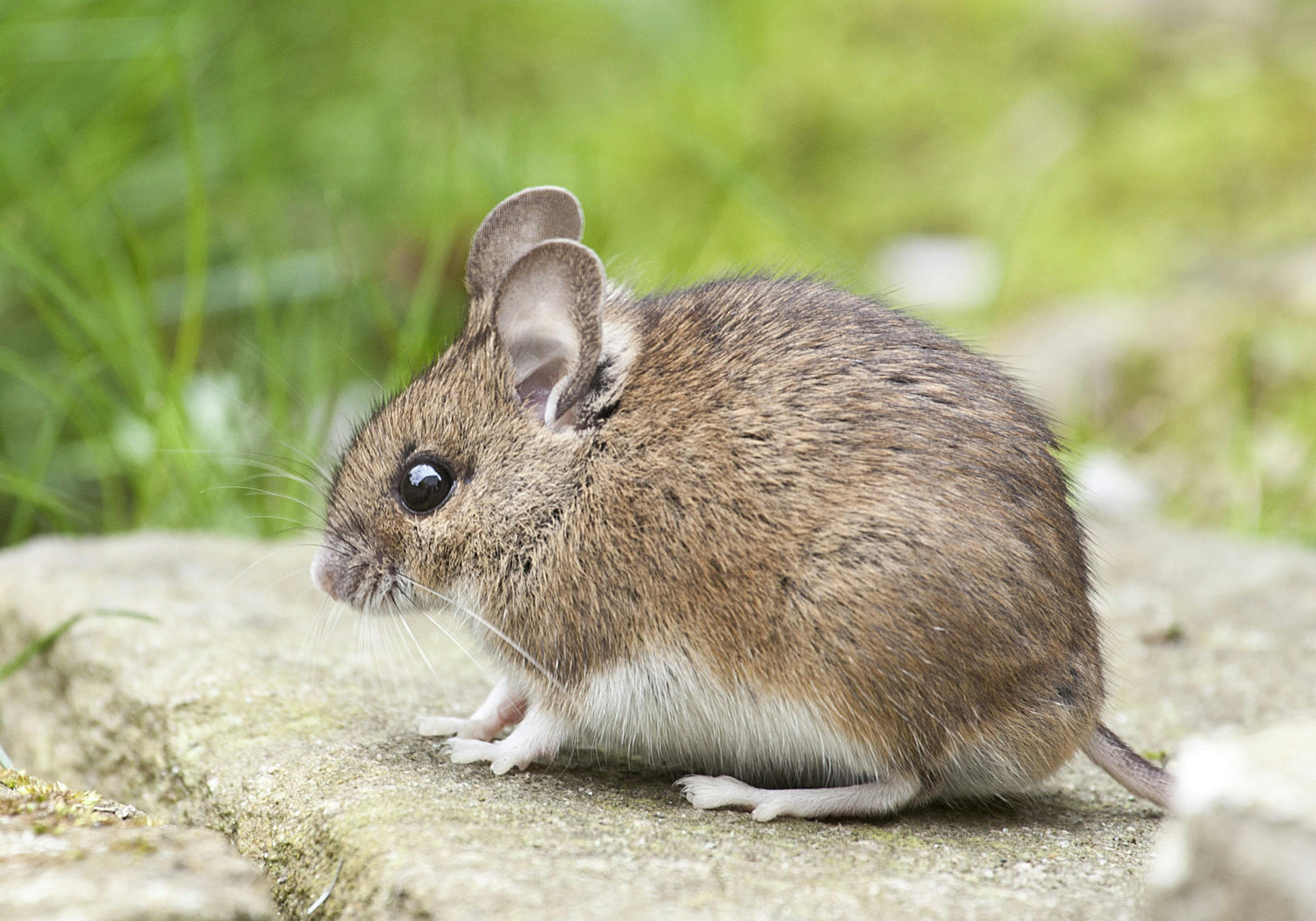
Voles can cause significant damage in the garden. They feed on grass roots, bulbs, bark, and root systems beneath the soil and under snow cover—often without you noticing until the damage is already done. If your lawn looks devastated after winter, your bulbs have disappeared, or the bark on your fruit trees has been damaged, voles are likely to be the culprit.
Getting rid of voles requires using the right method at the right time. In this guide, we'll explain what works, how to combine different control measures, and when it may be worth seeking professional help.
Understand the Problem Before Taking Action
There are several vole species in Sweden. The field vole is responsible for most garden damage. It creates shallow tunnels just below the soil surface and feeds on roots, bulbs, and grass from underneath. The bank vole is more closely associated with woodland areas and typically causes less damage in cultivated gardens.
Vole populations fluctuate significantly from year to year. Population peaks tend to occur every three to four years and can result in a dramatic increase in vole numbers over a short period. Voles are most active and hardest to detect beneath snow cover, which is why damage often becomes apparent only after the snow melts in spring.
Method 1 – Trapping
Vole traps are one of the most direct and environmentally friendly control methods. There are two main types: snap traps, which kill instantly, and live traps, which capture voles without killing them.
How to Use Traps
- Locate active tunnels in the lawn or near the soil surface, often visible after snowmelt.
- Place the trap inside or directly beside a tunnel, aligned with the direction of travel.
- Use bait such as pieces of apple, pear, or root vegetables.
- Check traps daily.
- Move traps that produce no results after three to four days.
Trapping works best for localized infestations. During years with high vole populations, trapping alone may not keep up with reproduction rates and should be combined with other control measures.
Method 2 – Poison Bait
Rodenticides designed for vole control are available from garden centers and hardware stores. Most products contain anticoagulants, which prevent blood clotting and typically take several days to work.
Important Considerations
- Always place bait inside a secure bait station—never directly on the ground.
- Poison bait can be lethal to pets, birds, and predators that consume poisoned voles.
- Follow all product instructions carefully.
- Remove and dispose of dead animals if you find them.
Poison bait can be effective during severe infestations but should be used responsibly and preferably alongside preventive measures.
Method 3 – Mesh Barriers and Physical Protection
Protecting valuable plants is often more sustainable and cost-effective than focusing solely on eliminating voles. Physical barriers work regardless of vole population size.
Effective Physical Protection
- Plant bulbs in underground mesh baskets made of metal or durable plastic that voles cannot chew through.
- Protect fruit tree trunks with metal mesh guards extending a few centimeters below ground level.
- Install fine-mesh wire beneath raised beds and planting areas.
This is a one-time investment that provides long-term protection and complements other control methods effectively.
Method 4 – Encourage Natural Predators
Voles have many natural predators. Kestrels, owls, foxes, and weasels can help keep vole populations under control when given suitable conditions. This is one of the most sustainable long-term solutions.
How to Support Natural Predators
- Install nesting boxes for kestrels, which are specialized vole hunters and can consume hundreds of voles each year.
- Avoid discouraging birds of prey and foxes from visiting your property.
- Leave some rough vegetation along property edges to provide hunting habitat.
Attracting natural predators takes time, but the benefits are long-lasting and require no chemicals.
Method 5 – Scents and Natural Repellents
Strong scents such as peppermint oil and predator urine are often promoted as vole deterrents. Scientific evidence is mixed, and results vary considerably.
In general, natural repellents work best as a supplement to other control measures rather than as a standalone solution. Ultrasonic devices may also have limited effectiveness outdoors, where sound waves disperse quickly in open environments.
Make Your Garden Less Attractive to Voles
Regardless of which control method you choose, you should also make your garden less hospitable to voles.
Tall grass, piles of leaves, and ground coverings such as bark mulch or straw provide shelter and warmth during winter. Mow the lawn regularly, remove autumn leaves, and avoid covering large areas with mulch or landscape fabric near fruit trees and bulb plantings.
When Should You Hire a Pest Control Professional?
If vole numbers remain high despite your efforts, or if you suspect that voles have entered buildings, sheds, or other structures, it may be time to contact a professional pest control service.
A pest control specialist can assess the extent of the infestation, recommend the most appropriate treatment strategy, and provide guidance on long-term prevention.
Remember: a vole problem addressed early is much easier—and far less expensive—to solve than one that has been allowed to develop over several seasons.