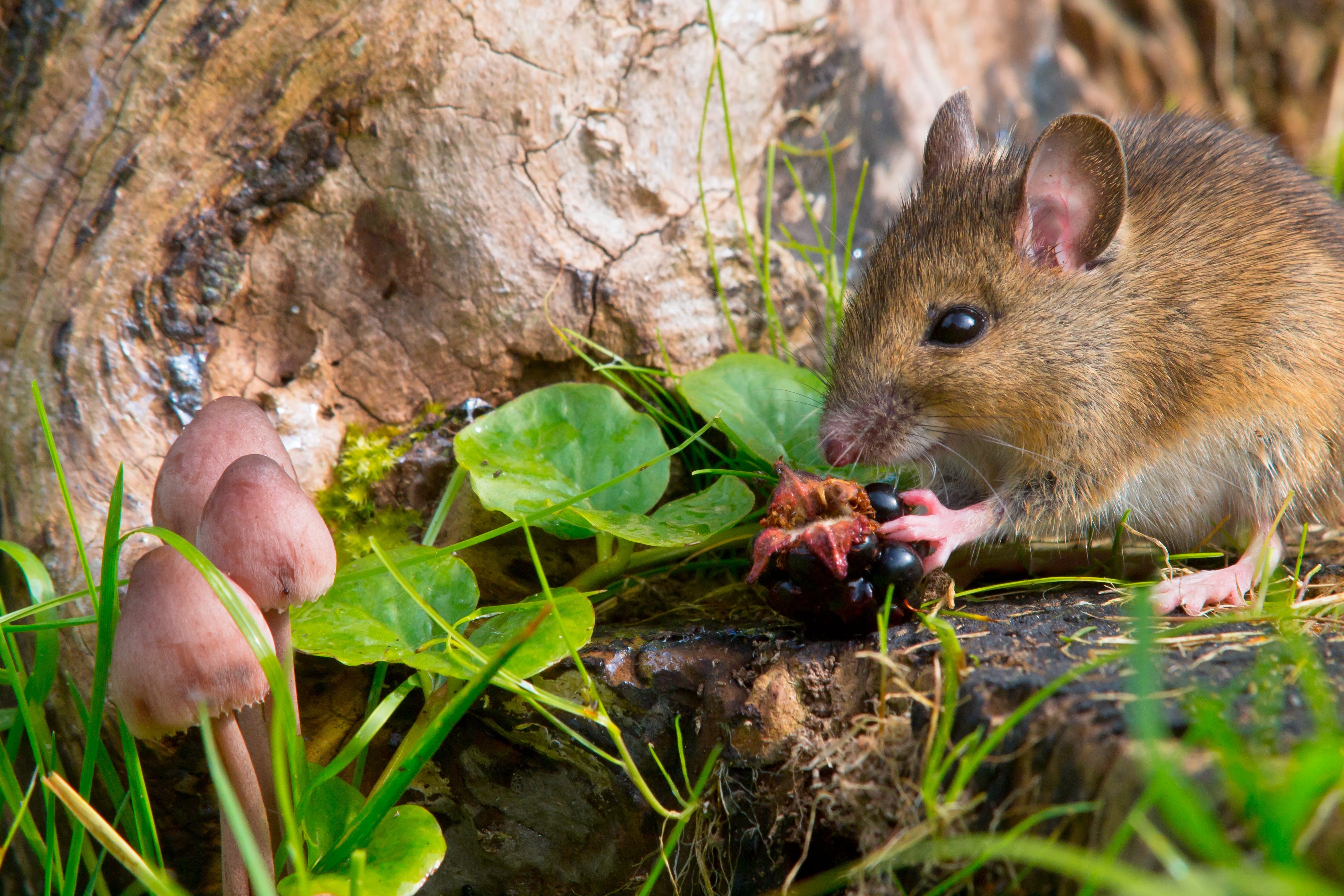
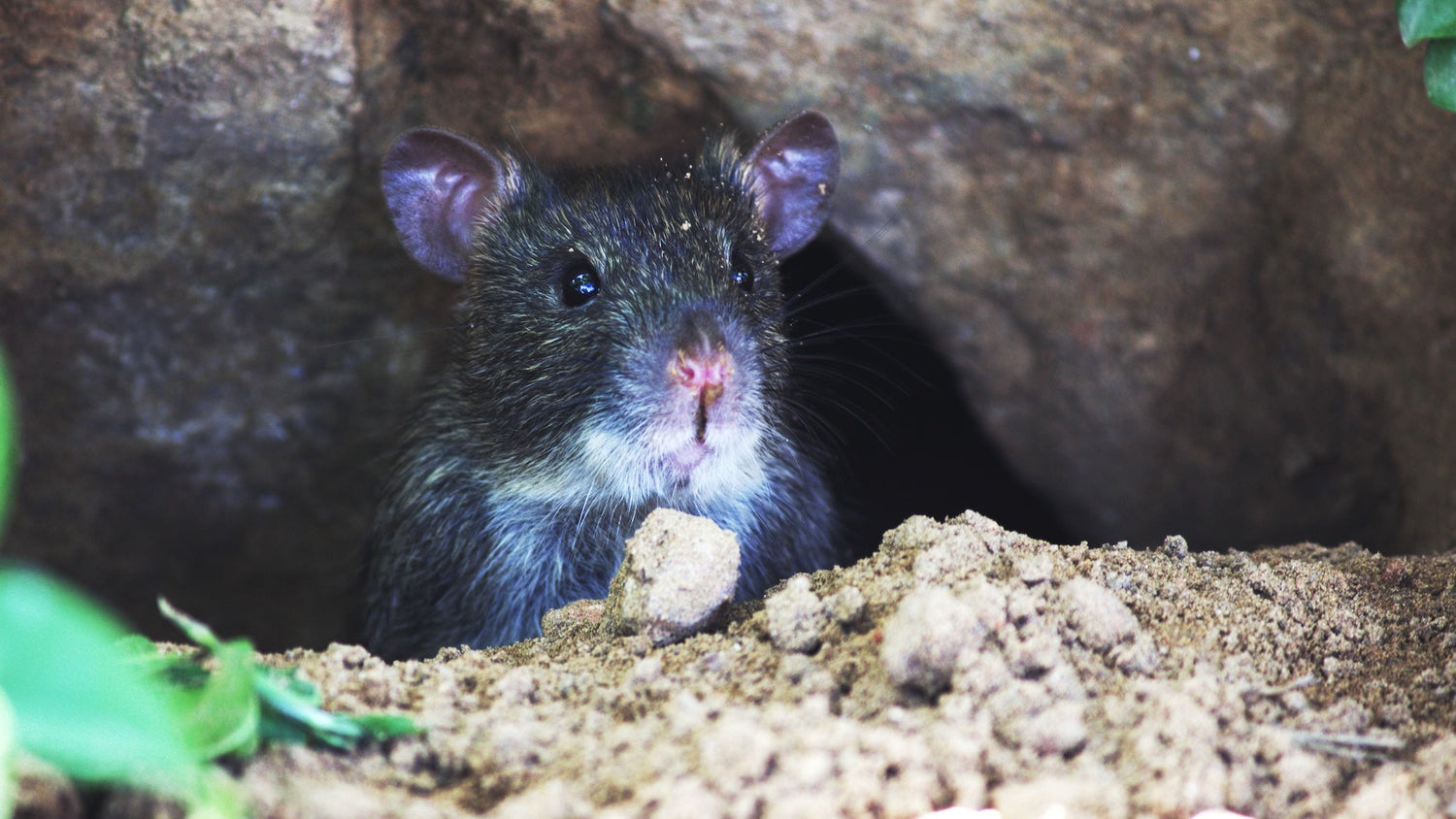
Rats don't get in by chance. When they establish themselves in a home, it's because the environment offers exactly what they need. Understanding what attracts them makes it much easier to remove the cause – and keep them away. Here we go through why you get rats in the house, what they seek and what they eat.
Quick answer: Rats seek three things: food, water and shelter. They are drawn to rubbish, pet food, bird seed and fallen fruit, to moisture and water sources, and to sheltered spaces to nest in. In autumn, warmth carries extra weight. Remove access to food, fix moisture and seal the entry points, and most of the reasons for rats to stay disappear.
What do rats seek?
Rats are driven by three basic needs: food, water and shelter. A house and plot often meet all three. An important difference from mice is that rats need to drink regularly – they can't get by on the moisture in food alone. That means a dripping tap, a floor drain or standing water can be just as attractive as a rubbish bag. Once a rat has found food, water and a safe place to nest, it happily stays and starts breeding.
What do rats eat?
Rats are omnivores and eat almost anything in practice, but prefer energy-rich food: grains, seeds, meat, fat and food scraps. In and around the home they are drawn to open bins, compost, pet food, bird seed and fallen fruit. A rat eats considerably more than a mouse and therefore leaves clearer traces – larger droppings and heavier gnaw marks. If you want to be sure it's rats, you can go through all the signs of rats.
What attracts rats – the most common causes
Besides food, water and warmth, there are concrete factors that draw rats in:
- Open bins, compost without a tight lid and pet food left out
- Bird feeding and fallen fruit near the house wall
- Moisture and dripping pipes in the basement, crawl space or under the sink
- Woodpiles, shrubbery and cluttered storage that provide shelter and nesting material
- Gaps and cracks around the foundation, pipes and vents that act as entry points
A rat squeezes through an opening of just 2 centimetres. In autumn the risk rises sharply as rodents seek winter quarters – read more about why rats come indoors in autumn.
How to remove what attracts them
The key is to make the home and plot less attractive. Store rubbish, compost and pet food in sealed, rat-proof containers, pick up fallen fruit and fix moisture sources and dripping pipes. At the same time, seal gaps around the foundation and pipes with steel wool and concrete. Without food, water and hiding places, rats lose their reason to stay. Natural scents can complement in exposed spots – see scents that keep rats away. For the whole picture, read the guide to rats in the house.
What to do now
Start by mapping what might attract rats in your particular home – food, water and shelter – and remove it step by step. If rats have already got in, act quickly with sealing and traps, and consider adding an electronic rat repeller as poison-free, preventive protection in spaces like storage rooms, garages and crawl spaces.
\nFrequently asked questions
What do rats prefer to eat?
Rats are omnivores and take almost anything, but prefer grains, seeds, meat, fat and food scraps. Unlike mice, rats also need to drink regularly, which means a dripping tap or standing water can be just as attractive as food.
What attracts rats into the house?
Accessible food (rubbish, pet food, bird seed, fallen fruit), water and sheltered hiding places. In autumn, warmth carries extra weight as rats seek winter quarters. It's often a combination of several factors.
Do rats come in even if it's clean?
Yes. A clean home reduces the risk but guarantees nothing. Rats also seek warmth, water and shelter, and a gap of just 2 cm plus a moisture source can be enough to draw them in.