Have you found mysterious tunnels in the lawn, noticed that the garden looks uneven in places, or — in the worst case — that a bush or a fruit tree has suddenly wilted without any apparent reason? It could be voles. These small rodents work largely underground and can cause considerable damage to the garden without you even seeing them.
This article gives you a complete overview: what voles are, why they come to your garden, how you recognize the damage, and what you can do to limit and prevent the problem.
What are voles — and which species do we find in Sweden?
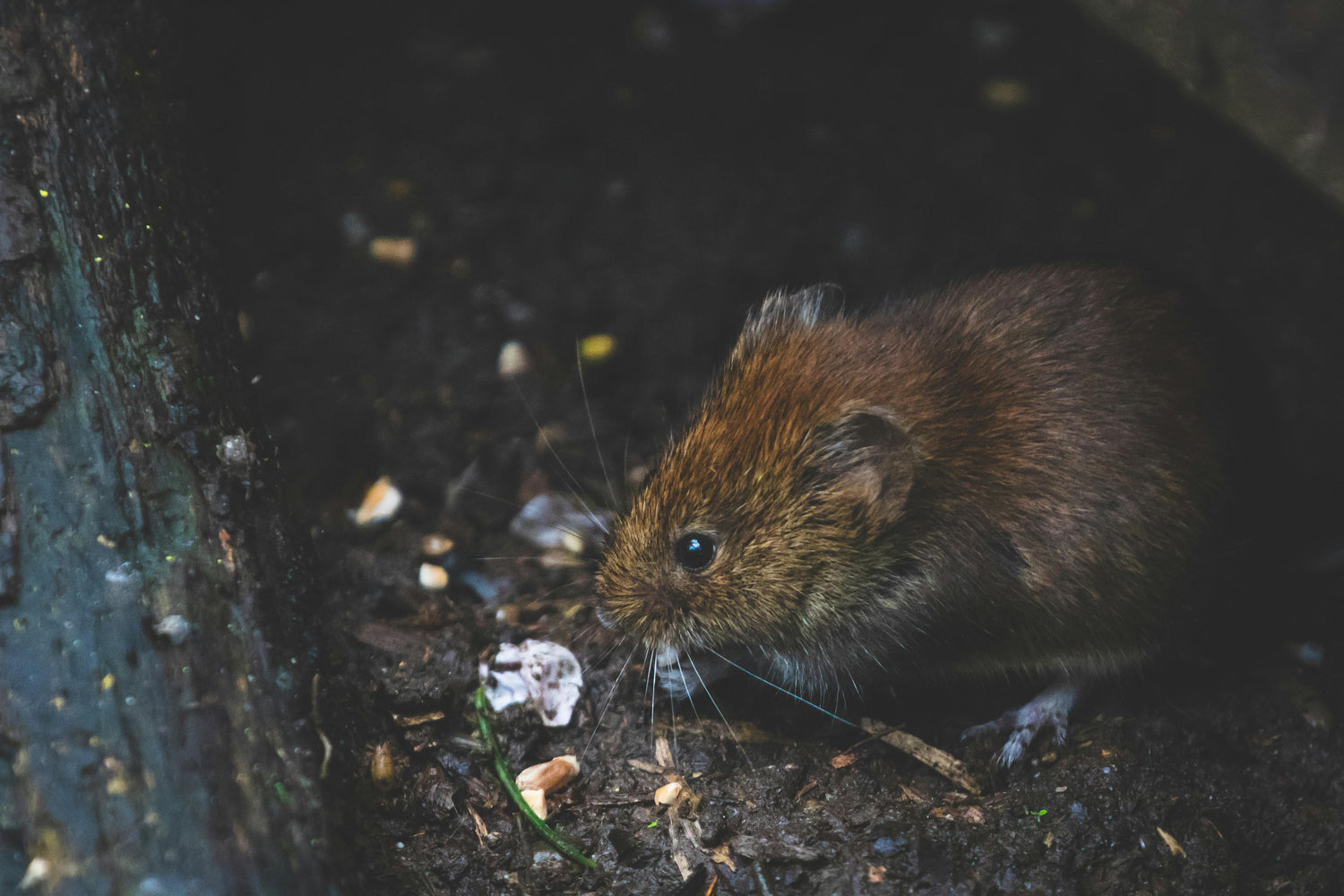
Voles are small rodents belonging to the family of hamster-like rodents. They resemble moles somewhat — but unlike moles, voles are herbivores that actively damage root systems, bulbs, and bark. In Sweden, there are primarily three species that cause problems in gardens:
- Field vole (Microtus agrestis) — the most common species in Sweden, lives both above and below ground, eats grass, roots, and bulbs
- Water vole (Arvicola amphibius) — a large vole that digs deep tunnels and causes severe damage to fruit trees and shrubs
- Northern vole (Microtus oeconomus) — prefers more humid environments, common in northern Sweden
It is primarily the water vole that causes the most problems in gardens, as it digs deep tunnels and gnaws on roots and stems just below or at the soil surface — which can kill a mature fruit tree in just a matter of weeks.
Signs of voles in the garden — how to recognize the problem
Voles are rarely seen — they live largely underground or in densely grown grass. Therefore, it is important to recognize the indirect signs.
Tunnels and raised areas in the lawn
One of the clearest signs is winding, raised tunnels in the lawn — particularly visible in spring when the snow has melted. Unlike mole tunnels, vole tunnels are narrower (approximately 3–5 cm wide) and run more shallowly through the ground.
Cavities and soil holes
Voles do not have the characteristic mounds of soil that moles do. Instead, you will find small hollow openings in the ground, often hidden beneath vegetation or along the sides of tunnels.
Wilted or suddenly dead plants
If a shrub, a fruit tree, or a perennial suddenly wilts without any visible damage above ground, vole damage to the root system is a likely cause. Pull gently on the plant — if it comes loose without resistance, the root has been gnawed off.
Gnaw marks at the soil surface
On fruit trees and shrubs you can see gnaw marks around the trunk, typically 2–10 cm above or at the soil surface. The water vole likes to gnaw off the bark all the way around the trunk — known as ring-barking — which cuts off the flow of sap and kills the tree.
In summary: look for visible tunnel systems in grass and shrubbery, small soil holes without a larger mound of soil around them, gnaw marks on trunk bases and roots, wilted plants where the root has been gnawed off, and bulbs or root vegetables with bite marks in the vegetable patch.
Why do voles come to your garden in particular?
Voles are attracted to gardens for several reasons — and often it is the environment we create that invites them in.
Dense vegetation and tall grass
Voles thrive where they can move around sheltered. Tall grass, dense shrubs, and thick ground cover provide excellent protection from predators and therefore an ideal habitat. A well-maintained lawn is not as attractive.
Abundant food supply
Bulbs, root vegetables, fruit tree roots, and grass give voles everything they need. A well-established garden with ripe fruits, root vegetables, and bulb plants is in practice a fully laid table.
Vole years with powerful population explosions
Vole populations fluctuate significantly in what are known as vole years — cycles of approximately 3–5 years where the population builds up rapidly. During these years, the damage can be dramatically greater than normal. If you are affected during a vole year, you are rarely alone.
Soft and easy-to-dig soil
Freshly laid soil, humus-rich growing soil, and moist garden soil are easy to dig in. Voles prioritize areas where they can quickly establish tunnel systems.
What damage do voles cause — and how serious is it?
The damage varies depending on the species and population, but can become costly and difficult to remedy.
Damage to fruit trees and shrubs
The most serious vole problem in Swedish gardens is ring-barking of fruit tree and shrub trunks. When voles gnaw off the bark all the way around the trunk, the vascular tissue is severed and the tree can no longer transport nutrients — this kills the tree from the inside. A mature apple tree that has been ring-barked can be dead within a matter of weeks.
Damage to root systems and bulbs
Voles gnaw on roots underground, which can kill or seriously weaken plants without the damage being visible until the plant is already dying. Tulip bulbs, lily bulbs, and root vegetables are particularly vulnerable.
Damage to lawns and ground
The tunnels create uneven ground that is unpleasant to walk on and unsightly to look at. During heavy rain, the tunnels can also negatively affect the drainage of the soil.
How to protect your garden from voles
There are several measures that effectively reduce the risk of vole damage. The best results are achieved when you combine multiple methods.
Protect trunks with wire mesh
The most effective measure for protecting fruit trees and shrubs is to place a cylinder of fine wire mesh around the trunk (maximum mesh size 6 mm). The mesh should extend at least 50 cm up from the ground and 10–15 cm down into the ground to protect against voles that dig. Check the mesh every year to ensure it has not come loose or rusted.
Protect bulbs with mesh in the ground
If you're planting bulbs or root vegetables, you can place a fine-mesh metal net at the bottom of the planting box or raised bed. Alternatively, you can plant them in special vole baskets made of galvanized wire mesh — these are available at garden centers.
Mow the lawn regularly
Short grass provides less cover for voles from predators, making the environment less attractive to them. Cut back weeds and keep vegetation away from tree trunks and bushes.
Encourage natural predators
Foxes, birds of prey, owls, and martens are natural predators of voles. You can encourage owls and kestrels by putting up nesting boxes. Avoid using poison bait if you want to preserve the natural predator balance.
Trapping
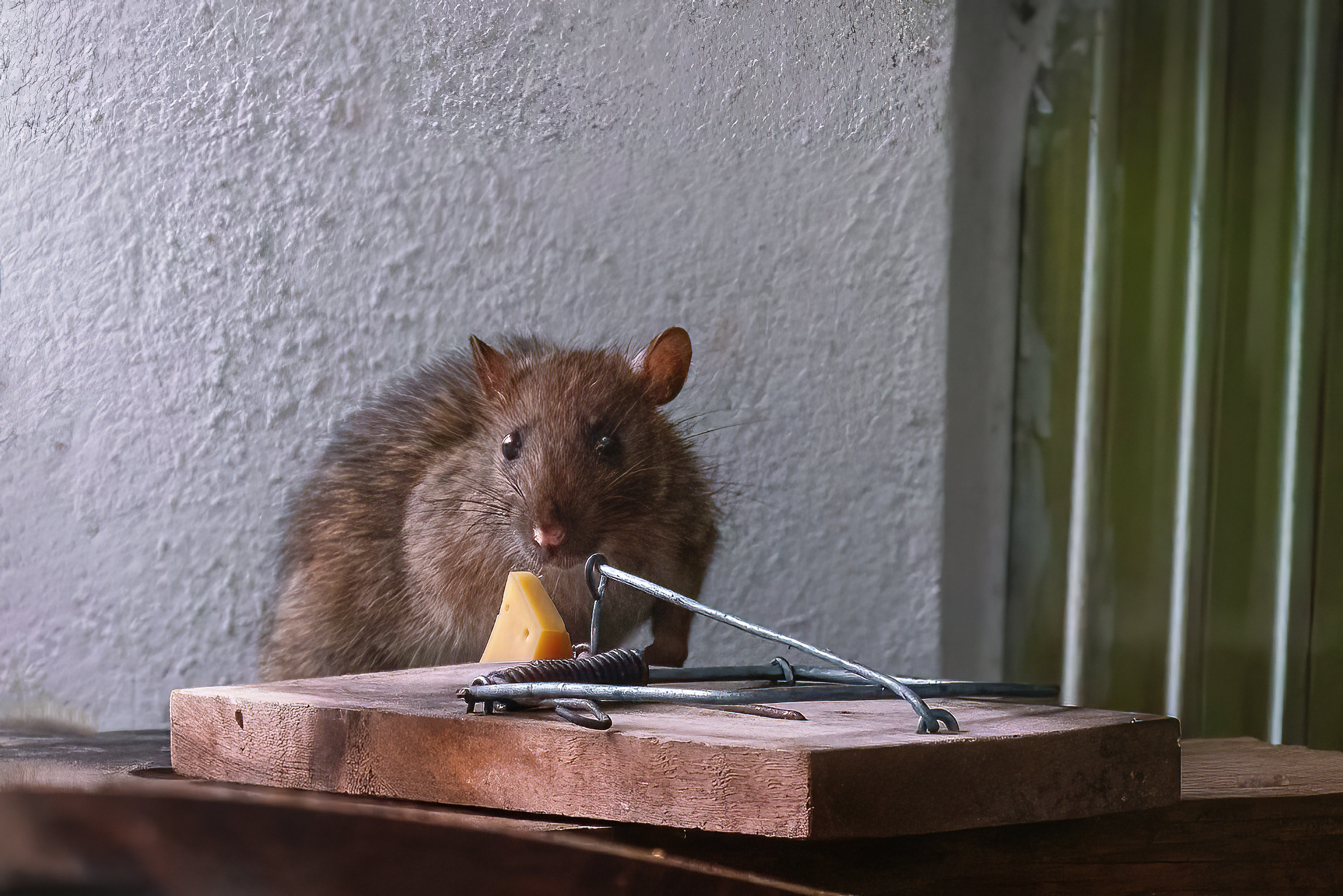
Live traps or snap traps can be placed in active vole tunnels. Replace the bait regularly and check the traps daily. This can be effective for reducing an existing population, but it does not provide long-term protection on its own.
Technical repellents
Ultrasonic devices and vibrating ground stakes can work as a complement to mechanical protection methods. They disrupt voles’ orientation and can repel them from specific areas — most effectively when combined with other methods.
What should you do if the damage has already been done?
Girdled trees
If only parts of the bark are missing, you can try to repair the damage using bridge grafting — a technique where the damaged area is covered to stimulate the regeneration of conductive tissue. If the entire trunk has been girdled, the tree is unfortunately unlikely to survive. Contact a garden specialist or arborist for advice.
Damaged plants
Plants with severe vole damage to their roots usually need to be replaced. Remove damaged roots, let the soil rest for a season if possible, and replant using vole protection from the start.
Common mistakes when trying to get rid of voles
- Only setting traps without also protecting tree trunks and bulbs — trapping alone cannot keep up with reproduction.
- Using mesh with openings that are too large — mesh sizes over 1 cm are large enough for small vole species to pass through.
- Forgetting to inspect and replace trunk guards — loose or rusted mesh will not provide proper protection.
- Waiting too long to take action — vole populations grow quickly, and damage can become significantly worse if measures are delayed.
Summary
Voles are a common and potentially serious garden problem in Sweden, especially during peak vole years. The best thing you can do is protect fruit trees and shrubs with metal mesh around the trunks, plant bulbs in vole baskets, and keep vegetation short to make the area less attractive.
If you already have an active vole problem, combine trapping with mechanical protection methods and act quickly. The sooner you take action, the greater the chance of limiting the damage.