
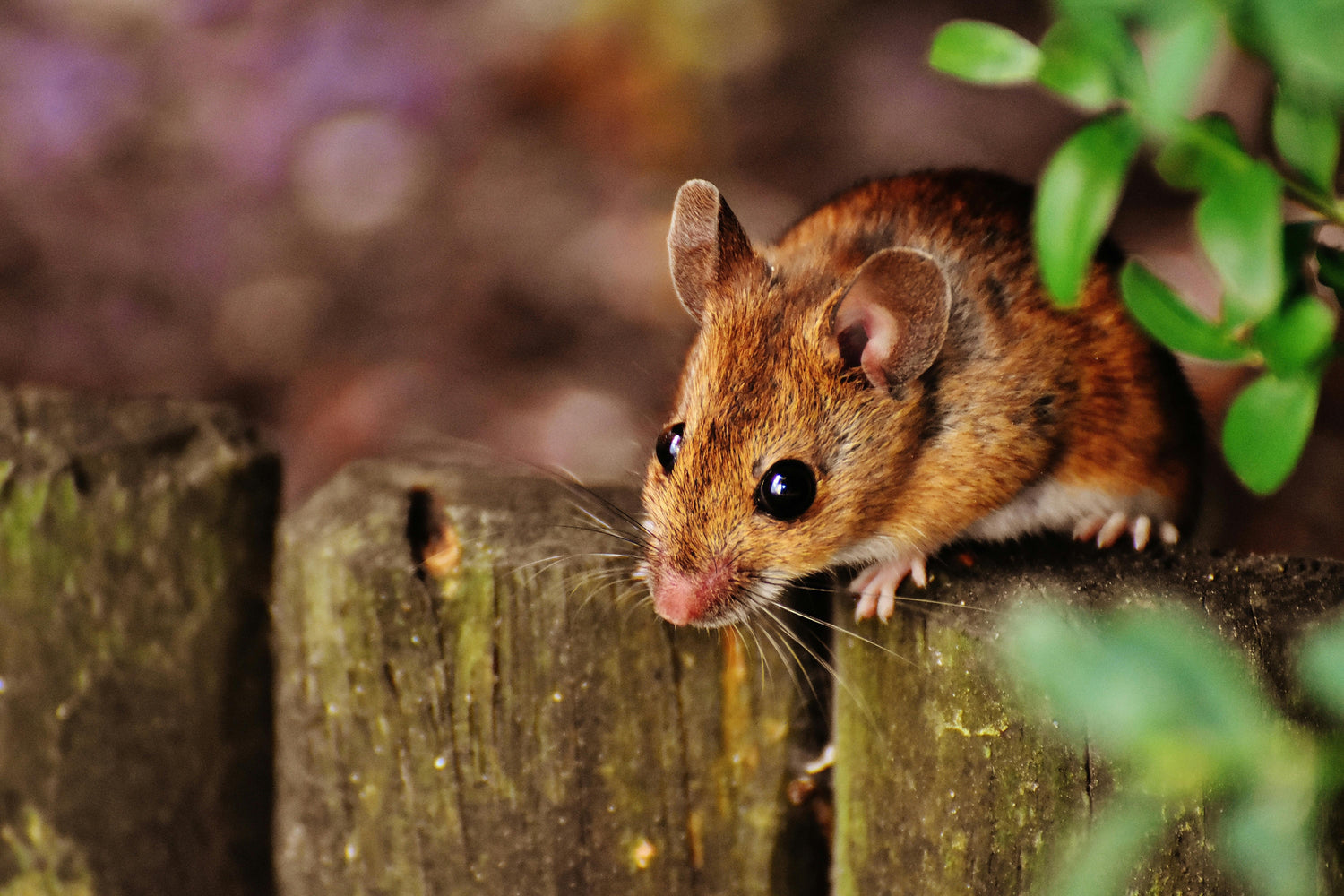
When the snow melts in spring, many garden owners are often unpleasantly surprised. Under the white cover, voles have been working all winter — undisturbed, protected from predators and cold — leaving behind a pattern of tunnels, patches, and devastated sections in the lawn.
The good news: vole damage to the lawn often looks worse than it is. With the right measures at the right time, most lawns can recover completely over the course of a season. This article shows you how to recognize the damage, what you should do, and in what order.
What vole damage looks like on the lawn
Vole damage is easy to confuse with other problems — snow mold, frost damage, or insect damage can look similar. Here are the characteristic signs that voles are actually the cause.
Winding tunnels and raised areas
The most typical sign is winding, raised tunnels that run across the lawn in irregular patterns. The tunnels are usually 3–5 cm wide and create a distinct structure in the grass — almost as if someone had dragged a finger through it. Immediately after the snow melts they are most visible, before the grass begins to grow and conceal the traces.
Dead or yellowing patches
Along the tunnels — and sometimes across wider areas — the grass is dead or severely damaged. Voles eat grass roots and gnaw off grass blades at the soil surface during winter, which means the grass can no longer recover when spring arrives. The patches appear yellowish-brown or grayish and the grass comes loose easily when you pull at it.
Hollow openings in the ground
Small entry holes to the tunnel system are often visible at the edge of damaged areas. They are typically round, approximately 3–4 cm in diameter, and lack the characteristic mound of soil that you see with mole tunnels.
Uneven and bumpy ground
The underground tunnel system causes the ground to sink unevenly when the tunnels collapse. The result is a lawn that feels soft and unstable to walk on, with visible unevenness on the surface.
Vole damage or something else? How to tell them apart
Several problems can produce similar symptoms on the lawn. Here are the most common ones to keep track of:
Vole damage vs. snow mold
Snow mold (Microdochium nivale) causes round, watery patches with a gray-white fuzz along the edges. Vole damage, on the other hand, shows distinct tunnels and has no fungal fuzz. Snow mold is a fungal attack and requires different treatment.
Vole damage vs. mole tunnels
Moles leave characteristic mounds of soil and wider tunnel ridges. Vole tunnels are narrower and shallower, and lack soil mounds. Additionally, moles eat insects and worms — not grass roots — so the damage to the grass itself is indirect and looks different.
Vole damage vs. winter frost damage
Frost damage produces diffuse, unevenly distributed yellowing patches without any distinct tunnel patterns. Vole damage always follows a linear pattern — the tunnels — which is the clearest distinguishing feature.
Step by step — how to repair the lawn
Spring is the best time to address vole damage, ideally when the ground has thawed and the nights are frost-free. Here is the recommended order:
Here's the translation:
1. Start with a thorough inspection
Go through the entire lawn and map out the damage. Mark the worst affected areas. Also check whether the voles are still active — new, fresh tunnels and droppings near entry holes indicate that voles are still present. In that case, you should start by combating the voles before repairing, otherwise you risk the damage recurring.
2. Combat remaining voles
Place traps in active tunnels and check them daily. Seal any entry points along the edge of the lawn against flower beds, hedges, and shrubbery. Wait until you no longer see any activity before proceeding with the repair.
3. Rake and loosen damaged areas
Rake away dead grass, leaves, and debris from the damaged surfaces. Use a fork or soil aerator to loosen the compacted and sometimes hollow soil along the tunnels. Fill in collapsed tunnels with sand-mixed soil and tamp or roll to an even surface.
4. Level the ground
Use crushed sand or fine garden soil to fill unevenness and level the surface. An even soil profile is the foundation for new grass to germinate and establish itself quickly. Press down firmly with a lawn roller or the soles of your feet to avoid air pockets.
5. Reseed with grass seed
Choose a grass seed that suits your existing lawn — red fescue and perennial ryegrass are common choices for Swedish conditions. Spread the seed evenly over the damaged areas according to the package recommendation, sprinkle a little fine soil or peat on top, and water gently. Keep the surface moist until the grass has germinated, typically 2–3 weeks.
6. Fertilize and strengthen the entire lawn
A well-nourished lawn recovers more quickly and is more resistant to new attacks. Fertilize with a spring-suitable lawn fertilizer and aerate the lawn if it is compacted — this improves root development and makes the grass denser and stronger.
How long does the recovery take?
It depends on the extent of the damage and how early you take action. Minor damage with intact grass stumps can heal on their own over the course of 4–6 weeks if you fertilize and water regularly. Severely damaged areas where the grass roots are completely gone require reseeding and typically take an entire season to fully re-establish.
Patience pays off. Do not wait to take action — early efforts yield by far the best results.
Prevent future vole damage to the lawn
Repair solves the immediate problem, but preventative measures reduce the risk of it happening again next winter.
- Cut the lawn short before winter — tall grass provides voles with excellent cover under the snow
- Avoid leaving thick layers of leaves or other organic material on the lawn during autumn
- Keep the edge against flower beds and hedges well trimmed — voles move along edges and through dense vegetation
- Consider ultrasound or vibrating ground stakes along the edges of the lawn as a deterrent
- Encourage natural predators — kestrels, owls, and foxes keep the vole population down
- Check the lawn early in spring so that you catch any damage in time
Common mistakes when repairing vole damage
- Repairing before the voles have been dealt with — new damage appears immediately in the freshly seeded area
- Spreading grass seed without loosening and leveling the ground — the seed germinates poorly in compacted and uneven soil
- Watering too infrequently after seeding — grass seed requires consistent moisture throughout the entire germination period
- Fertilizing too heavily too early in spring — this can scorch the young grass
- Giving up and laying a new lawn unnecessarily — most vole-damaged lawns can be saved with patience and the right measures
Summary
Vole damage to the lawn is recognized by the characteristic winding tunnels, dead patches, and uneven ground — and it appears almost always immediately after the spring snowmelt. Always start by combating any remaining voles, then level the ground and reseed with grass seed. With the right measures at the right time, most lawns can recover completely during the season.
And remember: next autumn it is time to cut the grass short and make sure that voles do not have a comfortable winter retreat in your garden.